.png)
Scheduled Maintenance Comes First: The Smart Path to Safer, Longer-Lasting Athletic Fields
Scheduled field maintenance is often mistaken as a last-minute fix when problems appear on game day. The truth is, routine care lays the groundwork for safer, longer-lasting fields by catching issues like soil compaction and turf thinning early. For facility managers and sports coordinators, having a solid sports field maintenance plan means fewer cancellations and more reliable play. Keep reading to learn how early action preserves field playability and athlete safety all season.
The Foundation of Field Reliability

Scheduled maintenance is the backbone of dependable sports fields. By planning ahead, you prevent surprises that can disrupt the game.
Preventing Game-Day Surprises
Imagine this: everything looks fine until a sudden downpour reveals drainage problems. Scheduled maintenance catches these issues before they're visible. With a proactive approach, you ensure fields remain playable, reducing last-minute fixes that can be costly and time-consuming. Regular checks mean fewer game-day cancellations, keeping schedules on track.
Key Benefits of Scheduled Maintenance
Routine maintenance creates a safer environment for athletes. It focuses on preventing hazards like uneven surfaces and poor drainage, which can lead to injuries. By addressing issues early, fields stay consistent in quality, providing a reliable playing surface regardless of weather or wear. This not only enhances playability but also boosts confidence in field safety.
Proactive Solutions for Field Issues
Proactive maintenance targets problems before they escalate. By regularly inspecting fields, you catch small issues like thinning turf early, preventing them from becoming larger, more expensive problems. This approach extends field life, ensuring that they remain in top condition throughout the season. It's about maintaining excellence, not just fixing problems as they arise.
Essential Components of a Maintenance Plan
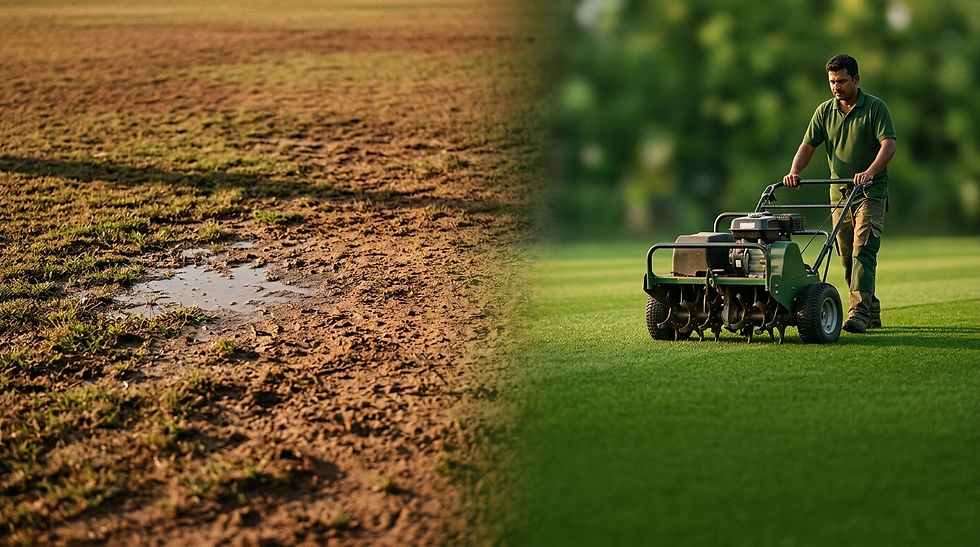
A solid maintenance plan covers all bases, from soil to turf. Each component plays a critical role in field performance.
Soil Compaction Relief Techniques
Soil compaction is a silent threat to field performance. It makes the ground hard, affecting drainage and root growth. Regular aeration is key. By loosening the soil, air and water move freely, promoting healthy turf. Compaction relief techniques, such as core aeration, ensure that fields remain resilient and responsive, even after heavy use.
Improving Turf Density and Health
Thick, healthy turf is crucial for safe play. Overseeding and topdressing are essential practices. Overseeding fills in bare spots, while topdressing improves soil quality. These methods enhance turf resilience, ensuring it withstands wear and tear. By focusing on turf density, you create a robust playing surface that looks and feels great.
Effective Sports Field Drainage Solutions
Proper drainage prevents water from pooling, which can damage turf and cause game cancellations. Installing drainage systems or improving existing ones helps manage water flow efficiently. This ensures that fields dry quickly after rain, reducing downtime and preserving turf health. By prioritizing drainage, you keep fields playable, no matter the weather.
Building a Maintenance Strategy
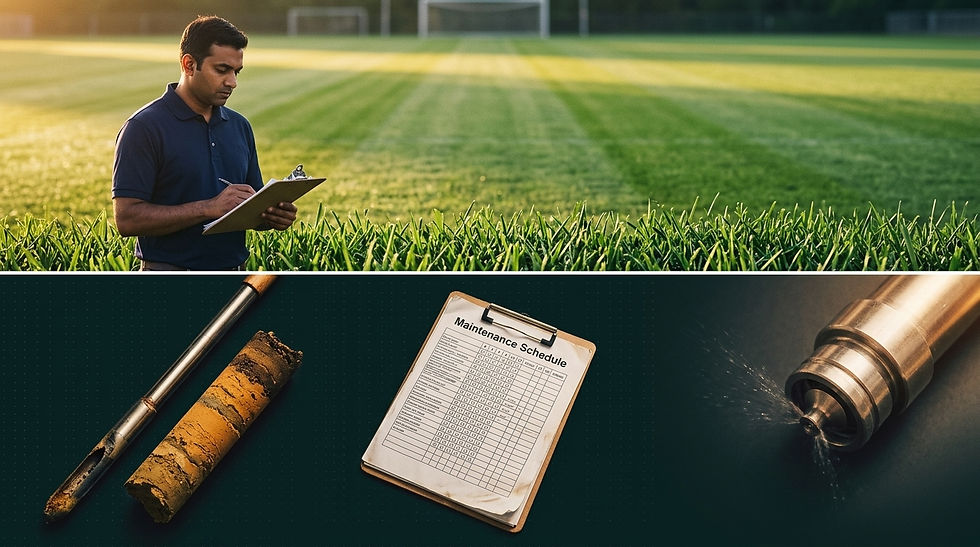
Crafting a comprehensive strategy ensures that all aspects of field care work in harmony.
Conducting an Irrigation Audit for Sports Fields
An irrigation audit is crucial for water management. It identifies inefficiencies in water distribution, ensuring that each area receives the right amount. By optimizing irrigation, you reduce water waste and promote uniform turf growth. This detailed assessment is a cornerstone of effective field maintenance, balancing water use with field needs.
Creating a Seasonal Turf Program
A seasonal turf program breaks maintenance into manageable tasks throughout the year. It includes scheduled overseeding, aeration, and fertilization, tailored to the field's specific needs. This program adapts to seasonal changes, ensuring that fields remain in peak condition all year round. It's about proactive care, not reactive fixes.
Field Performance Assessment and Monitoring
Regular assessments provide valuable insights into field conditions. By monitoring soil health, turf quality, and drainage efficiency, you stay ahead of potential problems. This ongoing evaluation helps refine maintenance strategies, ensuring that fields consistently meet performance standards. It's a proactive approach that prioritizes long-term reliability.
Frequently Asked Questions
What is the primary benefit of scheduled field maintenance?
Scheduled maintenance ensures fields remain safe and playable by addressing issues like compaction and poor drainage before they become serious problems.
How does soil compaction affect field performance?
Compacted soil restricts air and water flow, leading to poor turf health and drainage issues. Regular aeration relieves compaction, promoting a healthier playing surface.
Why is turf density important for athletic fields?
Dense turf provides a stable, resilient playing surface that reduces the risk of injury and withstands heavy use, maintaining consistent field quality.
How can I improve sports field drainage?
Effective drainage solutions include installing systems to manage water flow and regular maintenance to ensure existing systems function properly, preventing waterlogging.
What steps are involved in a field performance assessment?
A field performance assessment involves monitoring soil conditions, turf health, and drainage efficiency to identify areas needing improvement, guiding maintenance strategies.


Comments